





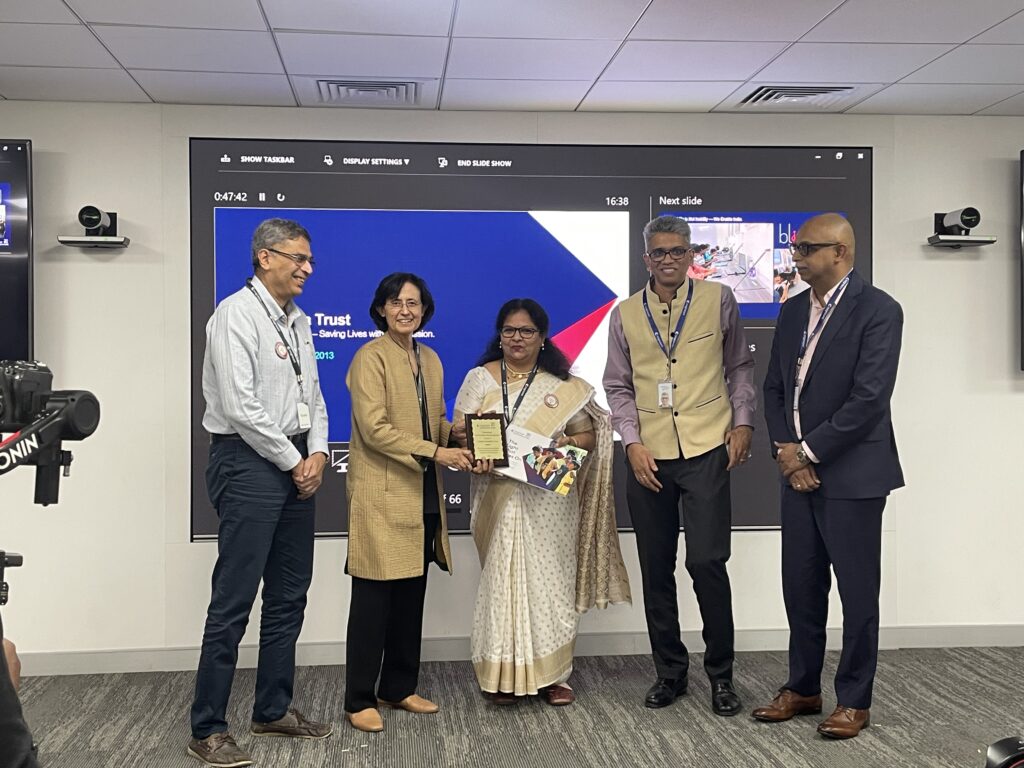
The Livelihood Skill Training Programme, supported by Cognizant and implemented in partnership with Cheshire Disability Trust (CDT), is creating meaningful pathways to employment and independence for persons with disabilities.
Built on a strong foundation of inclusion, industry relevance, and long-term sustainability, the programme goes beyond skilling it enables individuals to participate fully in the workforce and society.
Addressing a Critical Need
- Industry-aligned skill training
- Inclusive learning environments
- Placement-linked outcomes
The initiative is also aligned with national skill development missions and global Sustainable Development Goals, reinforcing its relevance and long-term impact
Creating Pathways to Employment
The programme has demonstrated strong employment outcomes:
- 34% of participants secured jobs after training
- Average monthly income stands significantly above entry-level benchmarks
- 37% of participants contribute to household income, improving financial stability
The programme effectively bridges the gap between aspiration and opportunity, enabling participants to access meaningful livelihoods.
Building Job-Ready Skills
A holistic training approach ensures participants are well-prepared for the workplace:
- Over 63% reported improvement in communication and technical skills
- Majority of participants rated their skills at a high level post-training
- 83% successfully applied their skills in real job settings
The curriculum integrates:
- IT/ITES technical training
- Communication and soft skills
- Essential life and workplace readiness skills
This combination ensures that participants are not only employable but also adaptable in professional environments.
Transforming Confidence and Social Perceptions
The programme has led to significant personal and social transformation:
- More than 45% reported increased self-confidence
- Nearly two-thirds experienced improved self-belief
- 50% observed positive changes in family perception, no longer being seen as dependent
Participants also reported greater awareness of job opportunities, reflecting increased agency and aspiration.
Designed for Effectiveness and Quality
The programme’s impact is driven by a strong implementation model:
- 91% of participants found the curriculum relevant to their needs
- Regular assessments and feedback ensured continuous learning improvement
- High-quality trainers and infrastructure contributed to strong learning outcomes
- Pre-placement support included resume building, mock interviews, and on-the-job training
- Post-placement follow-ups ensured continued support
The programme was delivered efficiently, with:
- Timely completion of training and placements
Strong Outreach and Inclusive Targeting
The programme successfully reached individuals who needed it the most:
- 77% of participants came from low-income households
- Majority were youth with aspirations for employment and skill development
- Over 60% joined through community referrals, indicating strong trust and outreach
This highlights the programme’s ability to penetrate underserved communities and create inclusive opportunities.
Enabling Long-Term Impact and Sustainability
The programme continues to create lasting change:
- 86% of participants view it as a career launchpad
- Over 40% reported stable or improving economic conditions
- 75% are willing to recommend the programme, reflecting high satisfaction
The structured approach, strong partnerships, and focus on outcomes make the programme scalable and sustainable over time.
The Livelihood Skill Training Programme stands as a powerful example of how inclusive skilling initiatives can drive real, measurable change.
By combining industry-relevant training, employment support, and confidence-building, the programme not only improves livelihoods but also promotes dignity, independence, and social inclusion for persons with disabilities.